

Culture & Living Heritage
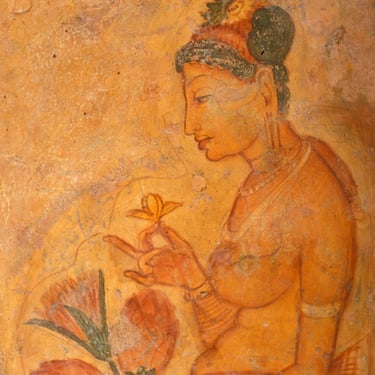
Sri Lanka’s heritage unfolds through ancient capitals, sacred sites, and traditions that remain part of daily life. From the monastic cities of Anuradhapura and Polonnaruwa to the dramatic Sigiriya Rock Fortress, history here is immersive and deeply layered.
In Kandy, living rituals continue around the Temple of the Tooth Relic, while the streets of Galle Fort reflect centuries of colonial influence. Each experience is shaped by how deeply you choose to engage—with history that is not preserved, but lived.


Key Cultural Places
Sigiriya – An iconic rock citadel rising above the jungle, best experienced early and unhurried.
Anuradhapura – Sacred stupas and ancient reservoirs shaping Sri Lanka’s first civilisation.
Polonnaruwa – Ruins, statues, and irrigation marvels from a refined medieval kingdom.
Dambulla – Cave temples adorned with centuries-old Buddhist art.
Kandy – A sacred city centred around the Temple of the Tooth and hill traditions.

Wildlife & Natural Encounters
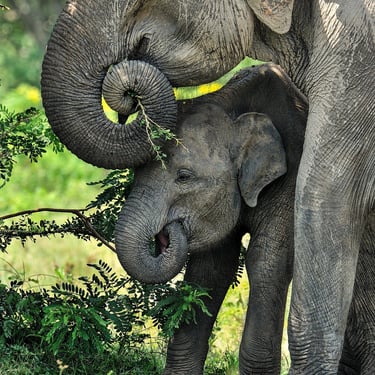
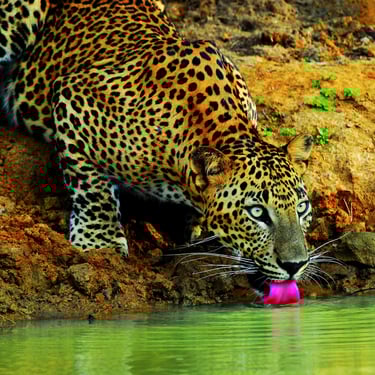
Sri Lanka offers rare proximity to wildlife across compact and diverse ecosystems. In Yala National Park, leopards move freely through open terrain, while Udawalawe National Park is defined by vast herds of wild elephants crossing grasslands and reservoirs.
Wetlands such as Bundala National Park attract migratory birds, while coastal waters off Kalpitiya are known for seasonal dolphin encounters. In the south, sea turtles return annually to nest along quiet shores, and within the island’s interior, Sinharaja Forest Reserve preserves one of the region’s last primary rainforests.
Each encounter is shaped around timing, environment, and how closely you wish to engage—with nature experienced respectfully, not staged.


Key Wildlife Landscapes
Yala National Park – Renowned for leopards, diverse habitats, and dramatic landscapes.
Minneriya National Park – Seasonal gatherings of wild elephants around ancient reservoirs.
Udawalawe National Park – Open grasslands offering consistent elephant sightings.
Bundala National Park – A haven for migratory birds and wetland wildlife.
Wilpattu National Park – Remote, atmospheric, and ideal for quieter safaris.

Coastlines & Island Life
Sri Lanka’s coastline unfolds in distinct moods—from calm, palm-lined shores to vibrant surf towns and quiet eastern beaches. Along the south coast, places such as Unawatuna and Bentota offer gentle waters and relaxed seaside living, while Mirissa is known for seasonal whale and dolphin encounters offshore.
On the east coast, Pasikudah and Nilaveli are defined by shallow, glassy waters ideal for swimming and snorkelling. Further south, quieter stretches near Tangalle provide a slower rhythm, shaped by hidden coves and understated coastal retreats.
Time by the sea here can be as active or unhurried as you choose—guided by season, setting, and how you wish to experience island life.


Key Coastlines Settings
Galle – A living fort city blending colonial heritage with coastal charm.
Unawatuna – Calm waters and relaxed beachside living.
Mirissa – Known for whale watching and laid-back coastal energy.
Tangalle – Wide beaches and secluded luxury retreats.
Trincomalee – Pristine beaches and seasonal marine life along the east coast.

Landscapes & Slow Travel
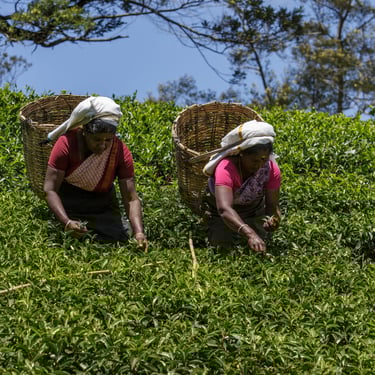
Sri Lanka’s landscapes invite unhurried travel—where the journey itself becomes part of the experience. In the central highlands, tea-covered hills unfold around Nuwara Eliya and Ella, connected by one of the world’s most scenic rail routes, winding through mist, valleys, and waterfalls.
Beyond the hills, cultural heartlands around Kandy give way to rural landscapes, reservoirs, and forested plains, while elevated viewpoints such as Horton Plains reveal wide, uninterrupted vistas. Travel here is shaped by pace—whether by train, winding roads, or time spent simply observing life along the way.
These landscapes are best experienced slowly, allowing space for reflection, photography, and moments that are unplanned but memorable.


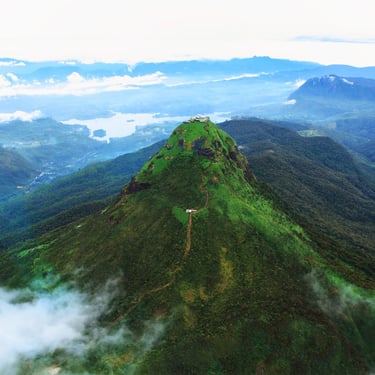
Key Scenic Landscapes
Ella – Cool-climate landscapes, tea estates, and some of the island’s most scenic rail journeys.
Nuwara Eliya – Colonial-era charm set amidst rolling tea plantations and misty hills.
Horton Plains National Park – Open moorlands and dramatic escarpments best explored early and quietly.
Knuckles Mountain Range – Remote highlands offering trekking, biodiversity, and true slow travel.
Nine Arch Bridge – A timeless viaduct set against jungle and tea country scenery.
Wellness & Restoration
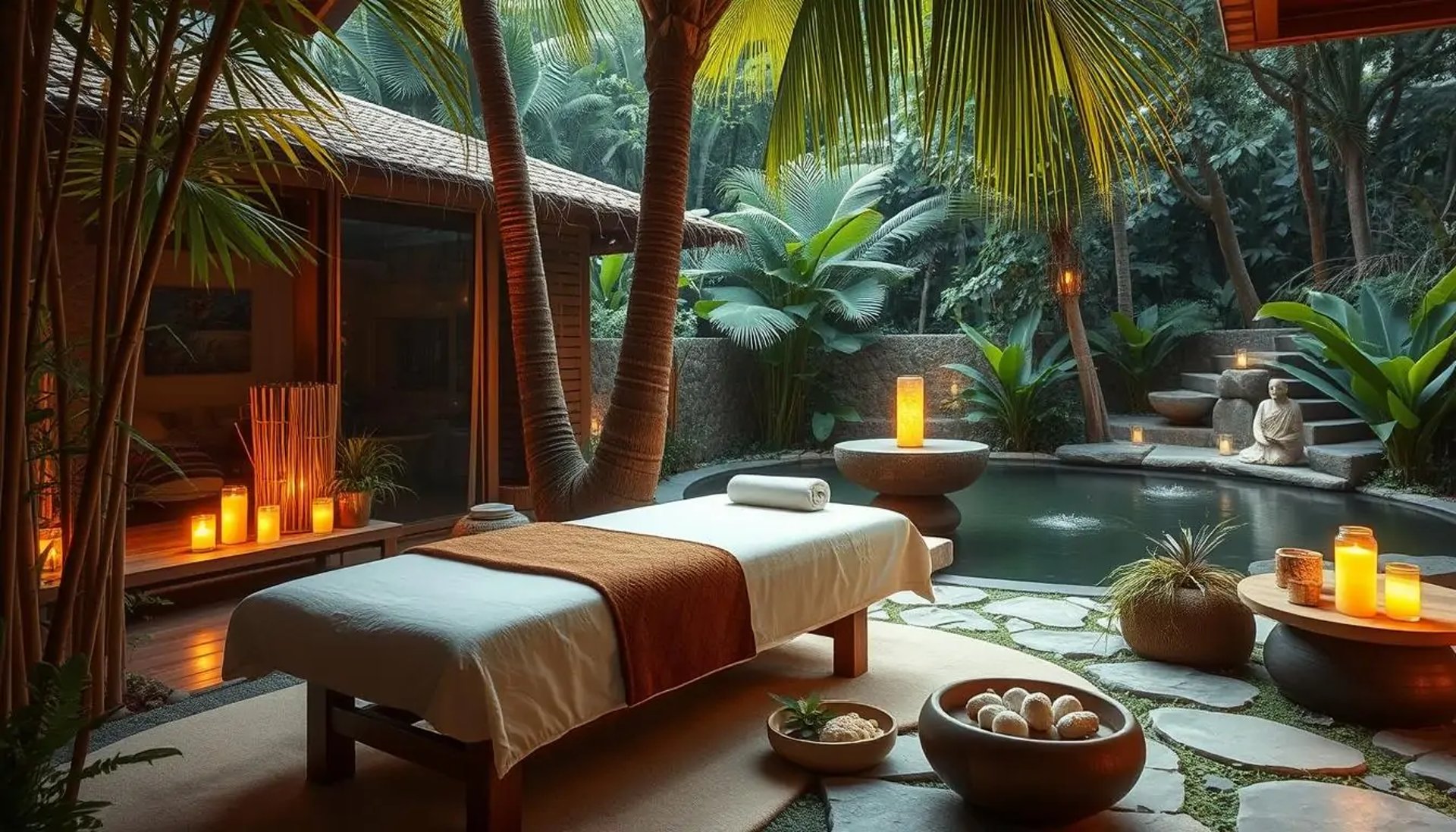
Wellness in Sri Lanka is rooted in nature, tradition, and balance. Across the island, ancient Ayurvedic practices are integrated into daily life, drawing on herbal knowledge, mindful routines, and environments designed for rest and renewal. In the hills and along the coast, secluded retreats offer space to slow down—guided by climate, landscape, and personal intention.
From ocean-facing settings in the south to forested sanctuaries near Kandy and the hill country, experiences may include personalised Ayurveda programmes, yoga, meditation, and restorative therapies shaped around individual needs. Silence, fresh air, and unhurried days become as important as any treatment.
Wellness here is not prescriptive. It is curated around how deeply you wish to disconnect, recalibrate, and return renewed.


KeyWellness Retreats
Siddhalepa Ayurveda (Bentota) — One of Sri Lanka’s most established Ayurveda institutions, known for authentic treatments and resident physicians.
Heritance Ayurveda Maha Gedara — A purpose-built Ayurveda retreat combining traditional healing with coastal serenity.
Barberyn Ayurveda Resorts — A long-standing Ayurveda group focused on structured, doctor-led wellness programmes.
Santani Wellness Resort — Contemporary wellness inspired by Ayurveda, set in Sri Lanka’s central highlands.
These experiences are best combined thoughtfully. Speak to us to curate the right journey.
Every journey begins with a conversation
Share what draws you to Sri Lanka — your interests, pace, and priorities.
Whether you have a clear idea or are simply exploring possibilities, we’ll guide the conversation and thoughtfully shape the journey from there.
There are no fixed routes and no expectations — just an open exchange to understand how you wish to travel.
Nexus Luxe Holidays
10 Iddamal Mawatha
Mount Lavinia
Sri Lanka. 10370
© 2025. All rights reserved.
+94 77 966 7777